
Last Updated: 27 August 2026
One of the biggest advantages of neoprene seat covers over leather or canvas is how little maintenance they actually need. No conditioning, no specialist products, no long drying times. Here’s exactly how to keep them looking new.
The Basic Clean
For everyday dirt, dust, and spills, neoprene needs almost nothing:
• Remove the seat cover
• Rinse with a hose or wipe down with a damp cloth
• Wipe dry or leave to air dry, neoprene doesn’t hold water the way fabric does
• Reinstall once dry
That’s the entire process for most day-to-day mess.
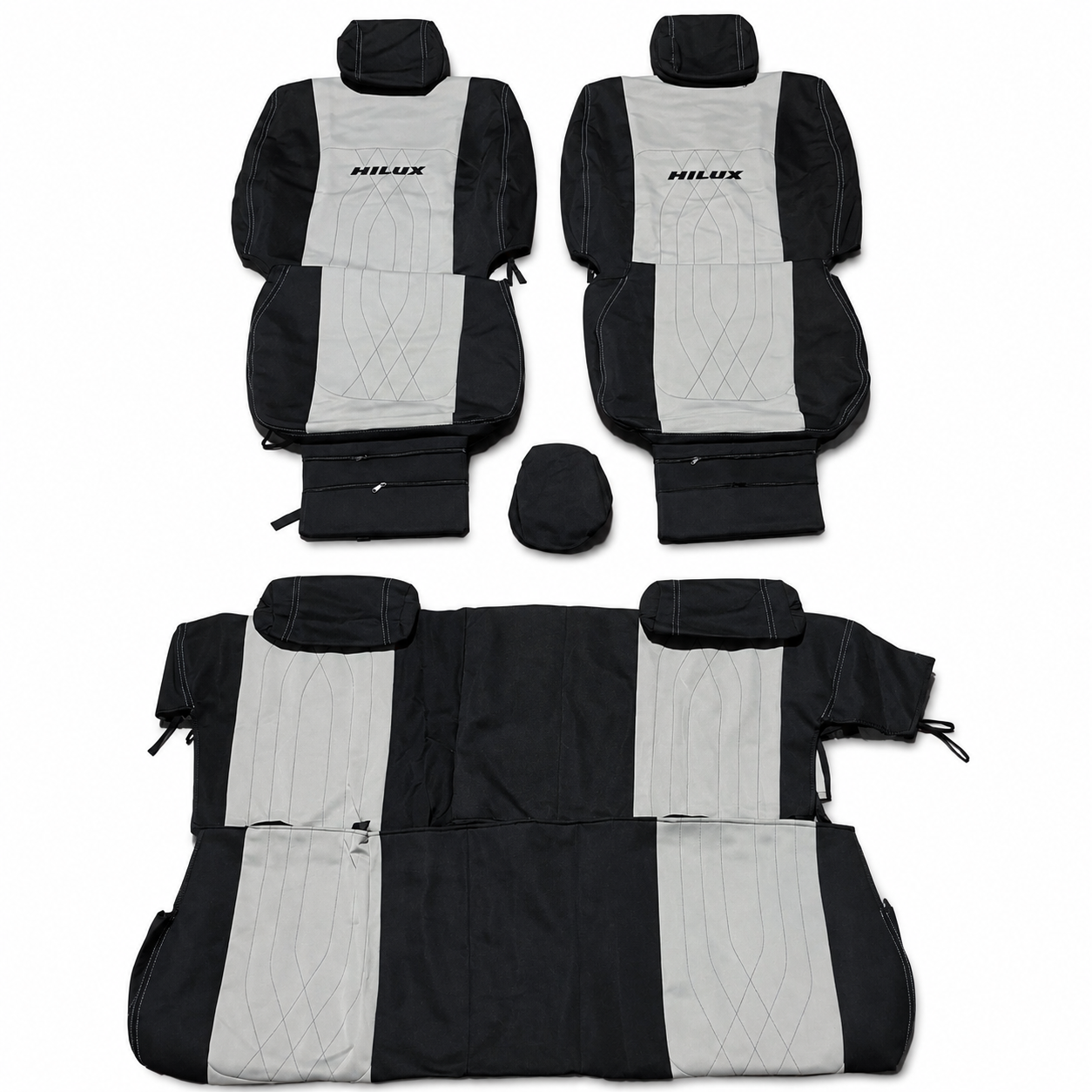
Dealing With Tougher Stains
For mud, grease, or stubborn marks, mild soapy water and a soft brush or cloth handles most of it. Avoid harsh solvents or bleach, they can degrade the material over time and aren’t necessary for a surface that doesn’t absorb dirt the way fabric does in the first place.
What You Don’t Need to Do
Unlike leather, neoprene doesn’t need conditioning to stop it cracking. Unlike canvas, it doesn’t need a protective coating reapplied over time. There’s no ongoing maintenance routine, just clean it when it needs cleaning.
A Few Things to Avoid
• Don’t machine wash, hand cleaning is enough and safer for the material and stitching
• Don’t use a pressure washer directly on the seams
• Don’t leave it to dry balled up or folded, lay it flat or reinstall it to dry in shape
Why This Matters Long-Term
Low-maintenance protection only works if it’s actually easy to maintain. Neoprene’s resistance to water, dirt, and odour means it keeps protecting your factory seats without becoming a chore itself, which is the whole point of fitting seat covers in the first place.
Browse Damishq’s full seat cover range, or see our guide on choosing the right material.
More Seat Cover Options
- Toyota Fortuner D4D Neoprene Seat covers (5 Seats)
- Toyota Land Cruiser LC79 DC Neoprene Seat covers (5 Seats)
This post is part of our Complete Guide to Seat Covers in South Africa.